
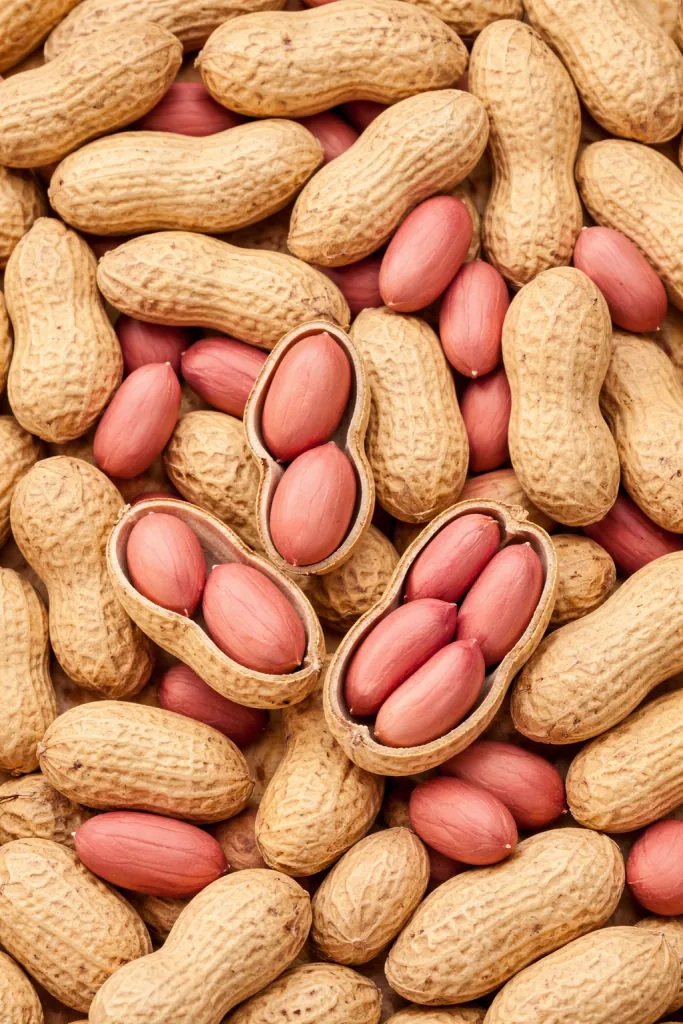
Peanuts are among the most popular snacks worldwide—crunchy, affordable, and packed with flavor. But beyond their taste, peanuts are nutritionally dense, offering protein, healthy fats, vitamins, and minerals. Doctors and nutritionists often highlight their benefits, yet they also caution that eating peanuts every single day can have both positive and negative consequences. Let’s explore what science says about this habit.

Nutritional Profile of Peanuts
Peanuts are technically legumes, not tree nuts, but they share many nutritional similarities with almonds and walnuts. A 100-gram serving of peanuts provides:
- Protein: ~25 grams, supporting muscle repair and growth.
- Healthy fats: Monounsaturated and polyunsaturated fats that promote heart health.
- Fiber: Aids digestion and helps regulate blood sugar.
- Micronutrients: Rich in vitamin E, magnesium, folate, and niacin.
This nutrient density explains why peanuts are often recommended as part of a balanced diet. However, daily consumption can lead to specific outcomes worth noting.
Positive Health Effects of Eating Peanuts Daily
1. Heart Health Support
Doctors emphasize that peanuts contain heart-friendly fats similar to those in olive oil. Regular intake can help lower LDL (“bad”) cholesterol while raising HDL (“good”) cholesterol, reducing the risk of cardiovascular disease.
2. Weight Management
Despite being calorie-dense, peanuts can aid in weight control. Their protein and fiber content increase satiety, helping people feel fuller for longer and potentially reducing overall calorie intake.
3. Blood Sugar Regulation
Peanuts have a low glycemic index. Eating them daily may stabilize blood sugar levels, making them beneficial for individuals with type 2 diabetes or those at risk.
4. Brain Function
Niacin and folate in peanuts support cognitive health. Some studies suggest that regular peanut consumption may reduce age-related cognitive decline.

Potential Risks of Daily Peanut Consumption
While the benefits are compelling, doctors caution against overindulgence. Eating peanuts every day can cause:
1. Weight Gain
Peanuts are calorie-rich. A handful is healthy, but excessive daily intake can lead to unwanted weight gain, especially if portion control is ignored.
2. Allergic Reactions
Peanut allergy is one of the most common and severe food allergies. For those affected, even trace amounts can trigger life-threatening reactions. Daily exposure is dangerous for allergic individuals.
3. Digestive Issues
Peanuts contain compounds like phytic acid, which can interfere with mineral absorption. Overconsumption may also cause bloating or gas in sensitive individuals.
4. Risk of Aflatoxin Exposure
Improperly stored peanuts can harbor aflatoxins, toxic compounds produced by certain molds. Long-term exposure has been linked to liver damage and increased cancer risk.
How Much Is Too Much?
Doctors generally recommend moderation. A safe daily serving is about one small handful (28–30 grams) of unsalted, roasted peanuts. This amount provides health benefits without significantly increasing calorie intake or risk of side effects.

Tips for Healthy Peanut Consumption
- Choose unsalted peanuts to avoid excess sodium.
- Opt for dry-roasted or boiled peanuts instead of fried varieties.
- Store peanuts properly to prevent mold and aflatoxin contamination.
- Balance with other nuts and seeds to diversify nutrient intake.
Conclusion
Doctors reveal that eating peanuts daily can cause both health benefits and risks. On the positive side, peanuts support heart health, weight management, and blood sugar control. On the flip side, excessive consumption may lead to weight gain, digestive discomfort, or exposure to harmful toxins.
The key takeaway? Moderation matters. A small handful of peanuts each day can be a nutritious addition to your diet, but balance and variety remain essential for long-term health.
Disclaimer: This article is for informational purposes only and does not substitute for professional medical advice. Always consult a qualified healthcare provider for personalized recommendations.