
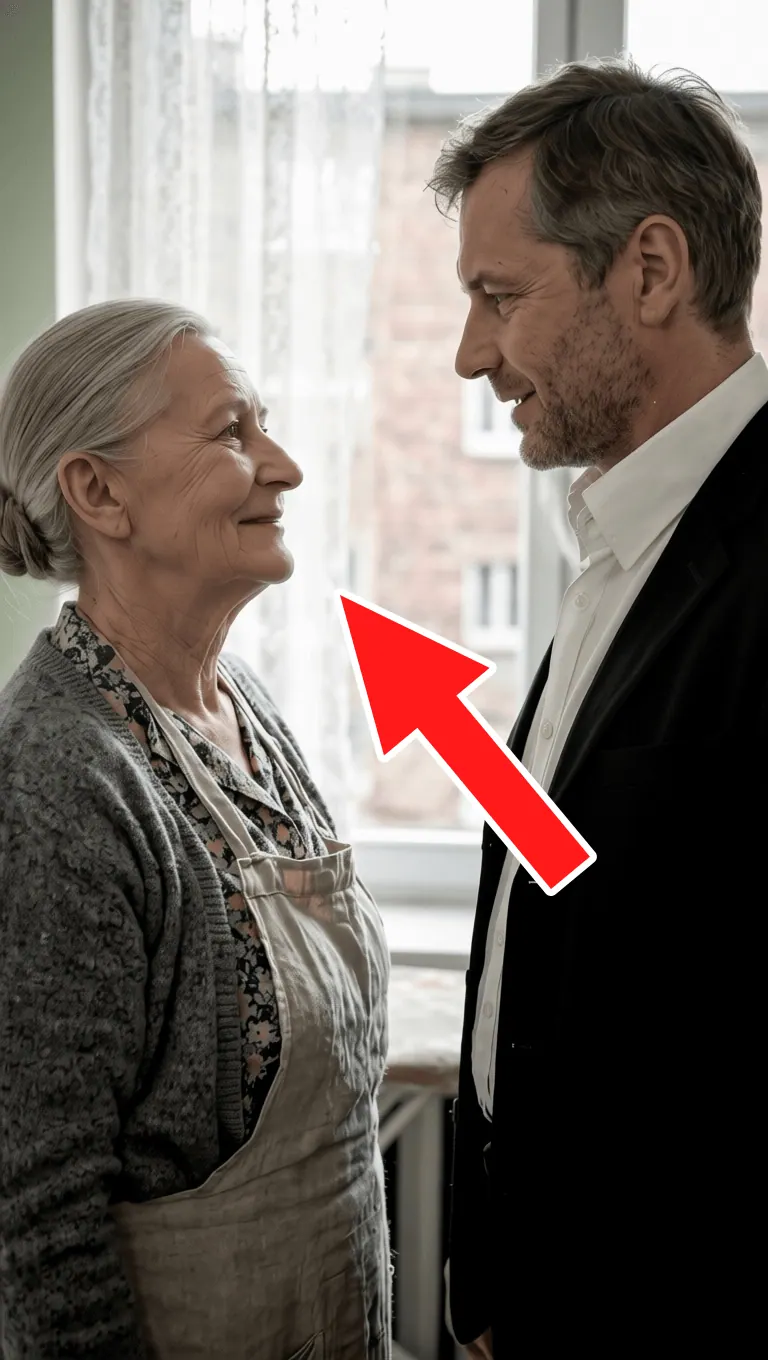
Stefania Igua lived in a city where the factories had gone quiet, leaving thousands of people without work or a sense of purpose. She had spent thirty years of her life in those same factories before they shut their doors, so she understood the deep, hollow sting of losing everything overnight.
She decided to take matters into her own hands in a way only she knew how. She began washing and ironing dress shirts for unemployed men, completely free of charge, specifically so they could walk into their job interviews feeling like men instead of paupers.
A simple note changed everything — It was hung in the stairwell, a quiet promise in a crumbling world: “Going to a job interview? Bring a shirt. I’ll iron it for tomorrow, for free.”
Day after day, the men arrived. They walked in ashamed, wearing crumpled shirts that were often the only ones they owned, their spirits visibly sagging under the weight of their situation. Stefania greeted them with a calm, steady gaze, her hands never stopping as she worked over the ironing board.
She treated those collars with the care of a master craftsperson, starching and pressing them until they stood like new. She didn’t just give them a shirt; she gave them the armor they needed to face a world that had written them off.
The secret to her strength — It wasn’t just about the clothes. She would look them in the eye and offer words of encouragement that carried more weight than any paycheck: “You’ll manage.”
For fifteen years, this ritual continued. She touched the lives of hundreds of men, giving them the confidence to stand tall during their interviews, and she did it all with a quiet, grace-filled dedication that expected nothing in return.
Even when a man returned after three years of unemployment with his first paycheck and a bouquet of flowers, she refused his money. She simply told him to go and iron a shirt for the next man in need.
The final, touching act — When Stefania passed away in 2024, the men who came to her funeral were no longer the broken, crumpled figures she had first met. They walked in wearing crisp, white, perfectly pressed shirts—a final, silent tribute to the woman who helped them regain their lives.
It is a reminder that sometimes the smallest act of kindness is the only thing standing between someone and their future. All it takes is one clean shirt and someone willing to stand by you.
Share this with someone who needs to be reminded that a small act of kindness can change a life forever.