
An Expired Star
The cashier pinched the yellowed paper between two fingers and slid it back across the scratched wooden counter.
Standing opposite her, an older man in an olive field jacket tucked his chin toward his collar. His hands remained resting against the varnished wood, fingertips curled lightly over the edges of the worn scrap.
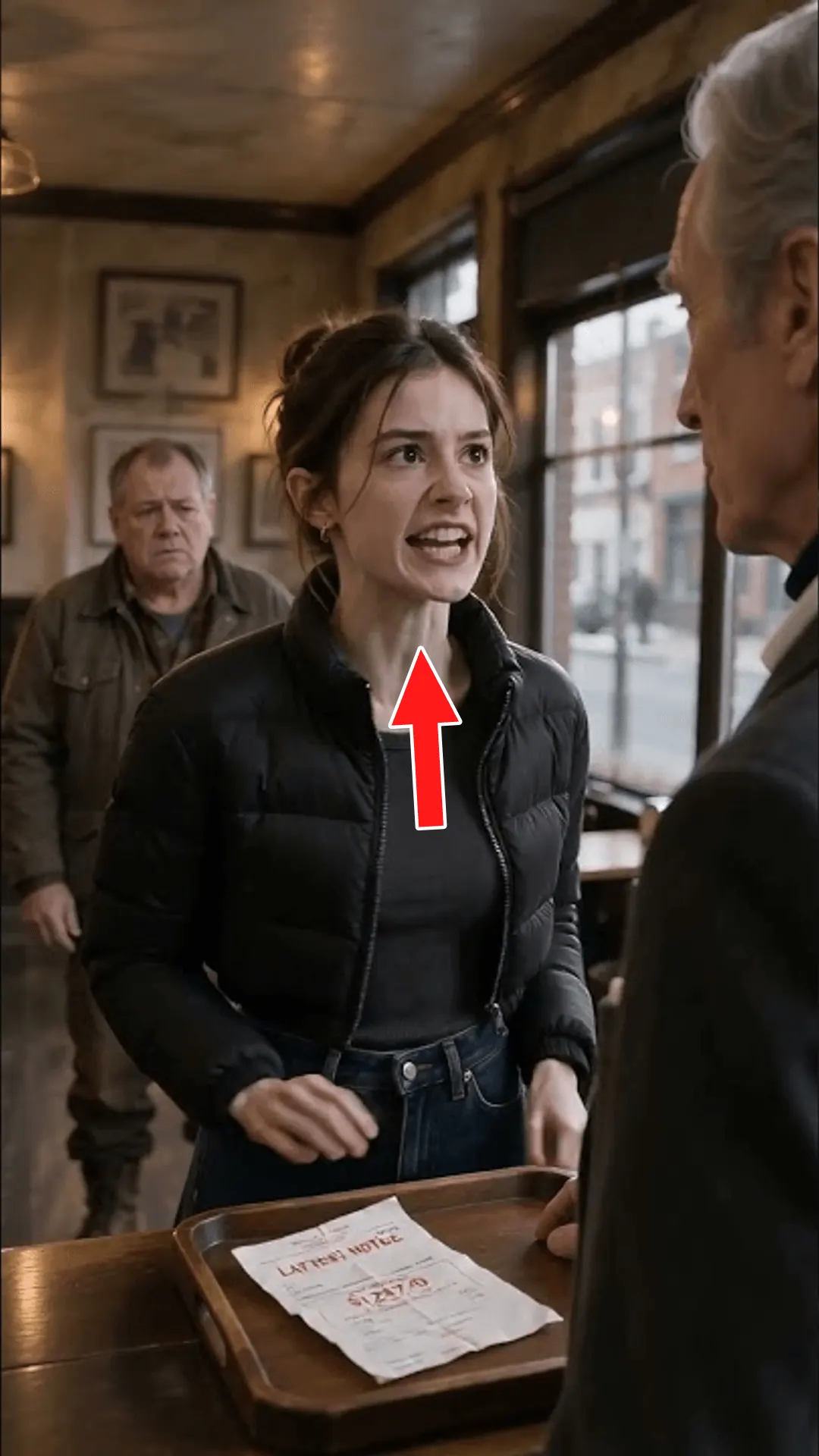
“This coupon expired thirty years ago,” the cashier said, her voice rising above the hum of the storefront. She pointed a manicured nail at the register screen. “Three seventy-five. Cash.”
The man in the green coat did not pull a wallet from his pocket. Instead, he reached forward and smoothed the folded paper flat, revealing a hand-drawn pencil star marked with light blue shading. “Just a plain black coffee,” he murmured.
A door creaked open near the back kitchen. A silver-haired man wearing an overcoat and navy knit sweater stepped into the entryway, a pink late-rent notice gripped in his right hand.
A Promise From The Winter Of 1995
The cashier waved the faded paper toward the doorway. “He’s trying to pay with a kid’s drawing.”
The shop owner took the slip into his own hands, holding it up under the warm pendant light. His fingers traced the frayed creases where paper fibers had separated decades earlier.
“Where did you get this?” the owner asked, lifting his gaze to meet the customer’s eyes.
“Winter of ninety-five,” the older man said, his knuckles tightening against the counter edge. “At the door.”
The cashier tapped the late notice on the table, pointing to the printed sum of over twelve hundred dollars. “Rent is late. You can’t just give food away.”
“My wife drew that coupon,” the owner replied quietly, folding the fragile paper against his palm.
He turned and disappeared into the back kitchen. When he returned, he carried a wooden serving tray balanced with a steaming white mug, a side of blueberries, and buttered toast topped with an egg.
He walked past the front register and set the plate down at a booth beside the frosted front window. “Sit here,” the owner told the man. “It’s cold out.”
The customer looked down at the steam rising from the mug. “I only asked for coffee.”
“The rest is on me,” the owner said. “Eat.”
Behind them, the cashier slammed an apron onto the wooden counter, seized her bag, and pushed through the exterior glass door into the snow.
Trading Keepsakes In The Snow
Sitting across the table, the customer broke off a piece of toast. “Ninety-five, my plant shut down,” he said. “I had two dimes. She said don’t pay it back. Pass it on.”
The owner turned toward the wall, looking up at a framed photograph hanging beneath the wall sconce. “She was my wife,” he said. “She remembered. No sugar.”
Outside on the curb, the owner took a thick wooden plank and dipped a brush into dark black paint. Letter by letter, he hand-painted a message offering hot drinks in exchange for old keepsakes, then pressed the faded star slip directly onto the wood grain.
The customer watched from the slushy pavement, pulled a silver digital camera from his coat pocket, and snapped a photograph of the newly hung sign before pulling down his cap and walking down the sidewalk.
Over the next forty-eight hours, the cafe stood empty. The overdue notice remained resting beside the cash register. The owner dialed the cashier’s phone number, but the call ended after a brief, firm refusal to return.
A Line Along The Sidewalk
The owner pulled back the front door the following morning to clear the doorstep. Standing along the brick facade was a long line of residents wrapped in heavy coats, breath rising in clouds against the winter air.
An elderly woman in a plum coat stepped forward, holding out an aged postcard marked with handwritten script from 1995. “My husband lost everything back then,” she told him, placing the card into his open palm. “Her coffee gave him dignity.”
The owner turned toward the street corner and spotted the man in the olive jacket standing near the lamp post with his phone out. Behind the counter, the tin box slowly filled with paper bills, vintage challenge coins, and framed photographs.
The front door swung open again as the young cashier walked back inside, hung up her jacket, and turned on the tap at the steel sink to wash the mugs.
The owner stepped over to the counter, reached for the touch-screen register, and pressed the power button down until the screen went dark.
He picked up the glass coffee pot and tilted a fresh stream into the white ceramic cup, steam curling up toward the ceiling as footsteps moved along the wooden floorboards.
Send this story to someone who needs a reminder that quiet kindness always finds its way back.